- Weekly.health
- Posts
- Issue 26: Supplement Deep Dive on Ashwagandha for Stress
Issue 26: Supplement Deep Dive on Ashwagandha for Stress
The latest nutrition research and actionable tips to improve your health and a supplement deep dive on ashwagandha.

James K
December 19, 2025
In partnership with

Welcome to Weekly.health’s 26th issue. Every week, we explore cutting-edge research, actionable advice, and science-backed nutrition insights to help you live longer and healthier.
Our aim is to help you live another 10 healthy years and cut your risk of age-related disease.
🗒️ In This Issue:
📚 A brief note on sustainability
📚 Books We’re Reading Right Now
📈 Research Digest: What’s new in nutrition science
🔥 Calculate your BMR (try our free tool)
💊 Supplement Deep Dive: Ashwagandha
🛍️ Recommendations
📘 Glossary of Terms: Definitions for technical terms in this issue
📚 A brief note on sustainability
This week marks six months of Weekly.health, and we wanted to share a quick, honest update.
From the outside, it’s reasonable to assume that a newsletter like this — with affiliate links, book recommendations, and now educational tools and courses — comfortably pays for itself.
In reality, it doesn’t. In practice, each issue currently generates only a small amount of revenue and costs significantly more to produce.
Each issue takes several hours of research, reading, and synthesis, and while revenue has slowly increased, Weekly.health still runs at a net loss per issue once platform costs and research tools are accounted for. We’ve worked hard to streamline production and keep costs sensible, but growth itself increases those costs.
Nothing about the newsletter is changing, and we’re committed to keeping it independent, evidence-based, and accessible. But if you find value in the work and would like to help make it sustainable, one simple way to do so is via Buy Me A Coffee. Even a single coffee genuinely makes a difference.
There’s absolutely no expectation — your time and attention already mean a great deal. We’re grateful you’re here.
You can still support us by selecting from our recommended books and products below.
📚 Books We’re Reading Right Now
 | If you read just one book to future-proof your health, make it How Not to Age by Dr Michael Greger. Dr Greger - the physician behind How Not to Die and NutritionFacts.org - is known for one thing: turning hard science into practical, life-extending habits. Every claim he makes is rooted in peer-reviewed research, not hype. In How Not to Age, he reveals what truly slows biological ageing, from protecting your brain and heart to preserving muscle and energy. It’s a science-backed guide to living not just longer, but better. Weekly.health may be compensated when you buy. Your purchase helps to support us to continue this newsletter. |
📈 Research Digest: What’s New in Nutrition Science
Here’s the best of recent nutrition research:
🥗 Mediterranean-style eating may reduce inflammation after cancer treatment
In 132 people in cancer remission, a 6-month personalised Mediterranean, low-GI diet led to weight and belly-fat loss, plus better insulin control and lower inflammation. The plan focused on plenty of vegetables and wholegrains, fish or legumes at least three times a week, olive oil daily, red or processed meat just once a week, and desserts only occasionally. Colorectal cancer patients benefited even without weight loss. (source)
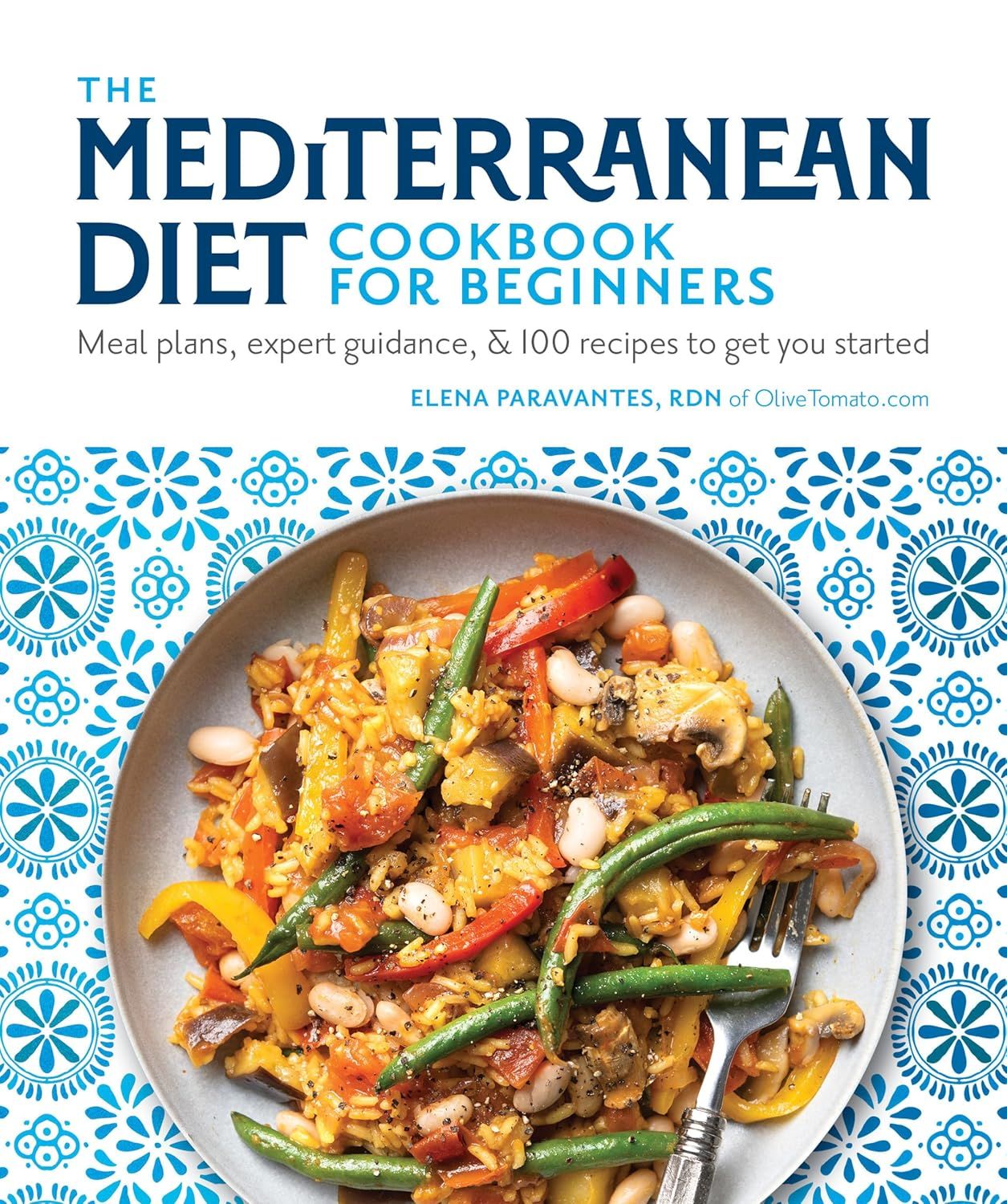 | Discover the secrets of the authentic Mediterranean Diet from award-winning expert and Registered Dietitian, Elena Paravantes MS, RD. Raised on this diet herself, Elena shares 100 of her favorite recipes, alongside a lifetime of expert advice, menu plans, cooking and shopping tips, and a comprehensive lifestyle guide. 100 irresistible recipes, a 14-day meal plan, and practical tips for shopping, cooking, and living the Mediterranean way. Weekly.health may be compensated when you buy. Your purchase helps to support us to continue this newsletter. |
❤️ Healthy habits can slow heart ageing
Using data from over 250,000 UK adults, this study found that healthier lifestyles were linked to a “younger” heart, measured by cardiovascular biological age. The biggest drivers were diet and alcohol habits. Eating a balanced diet (regular fruit, veg, wholegrains, fish and limited processed foods) and avoiding heavy drinking mattered most, especially diet for women, and alcohol moderation for men. Small daily choices really add up. (source)
🧠 Intermittent fasting may help protect the ageing brain
This narrative review analysed 12 peer-reviewed studies (mainly animal studies plus a few small human trials) on intermittent fasting and brain health. Results suggest fasting patterns like time-restricted eating or 5:2 may improve memory and attention and support brain “clean-up” processes linked to Alzheimer’s and Parkinson’s. Practical takeaway: a gentle overnight fasting window (12–14 hours) may be a sensible, low-risk place to start—pending stronger human evidence. (source)
🥗 A daily drizzle of olive oil may improve heart health
In this 4-week randomised trial of 50 people with high cholesterol, daily extra virgin olive oil improved blood vessel function and slightly lowered blood pressure and heart rate. Just 8 g per day of high-polyphenol olive oil worked better than a larger dose of standard EVOO. Takeaway: use a good-quality, peppery EVOO daily, as small amounts seem to deliver real vascular benefits. (source)
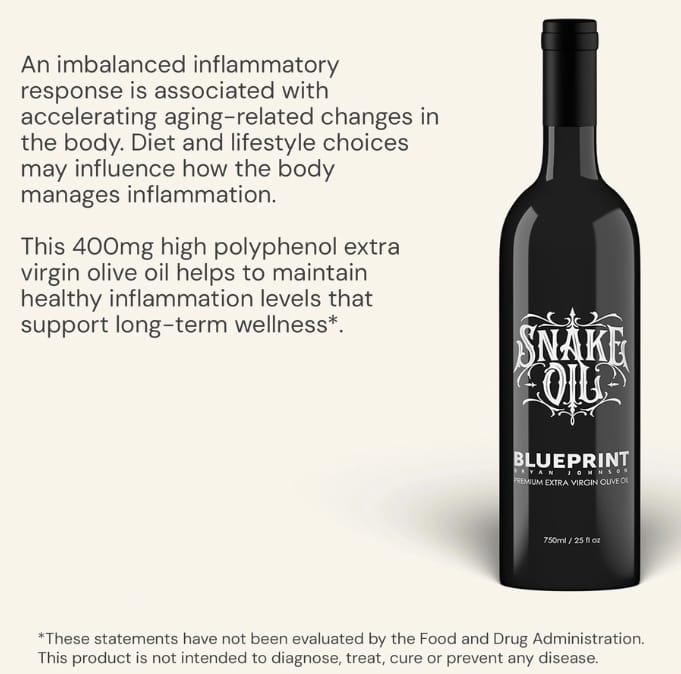 | Blueprint Extra Virgin Olive Oil + $25 off when you spend $150+ Blueprint by Bryan Johnson released their high phenolic extra virgin olive oil with some of the highest-measured levels of antioxidants on the market. Weekly.health may be compensated when you buy. Your purchase helps to support us to continue this newsletter. |
🔥 Calculate your BMR (try our free tool)
Do you know how many calories your body needs just to exist?
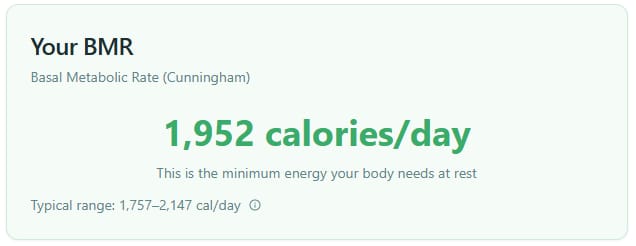
Your basal metabolic rate (BMR) is the number of calories your body burns each day at complete rest — breathing, circulating blood, maintaining organs, repairing cells. No steps. No workouts. Just staying alive.
Why does this matter?
Because BMR is the foundation of almost every nutrition decision:
Trying to lose fat without under-fueling
Eating enough to support muscle, hormones, and recovery
Avoiding “mystery plateaus” where weight or energy stalls
Understanding why two people of the same size can need very different intakes
If you don’t know your BMR, you’re guessing, often by hundreds of calories per day.
I’ve just calculated mine using our BMR calculator over at The Healthspan Academy BMR calculator (screenshot above). It takes less than a minute and gives you a personalised baseline you can actually use, whether your goal is fat loss, muscle, or long-term health and longevity.
Once you know your number, everything else - protein targets, calorie ranges, even meal planning - becomes clearer and far easier to get right.
🟢 Sponsor: BetterHelp
Find therapy that works - 25% OFF your first month

Anxious? Depressed?
Find Therapy that finally works for you. BetterHelp offers personal, reliable mental health support from the comfort of your home, with 25% off your first month of therapy.
72% of clients see reduced symptoms within 12 weeks. BetterHelp is also HSA + FSA eligible, with a network of 30,000 licensed therapist to support your needs. Why wait? Get matched in as little as 48 hours.
This email was delivered by a third-party, on behalf of BetterHelp. Copyright © 2025 BetterHelp. All Rights Reserved.
💊 Supplement Deep Dive: Ashwagandha
Should you be taking taking ashwagandha supplements?
Often supplemented for stress, research supports a small but meaningful reduction in circulating cortisol levels - the stress hormone. High-stress individuals may benefit most.

1-minute verdict
Try (short-term, with cautions) — Best evidence supports modest reductions in perceived stress/anxiety and small improvements in sleep over 6–12 weeks; performance outcomes (VO₂max/strength) show early promise but are less consistent. Long-term safety is unclear and rare cases of liver injury have been reported, so cycle use and avoid if high-risk.
Outcomes that matter according to research;
Stress/anxiety ↓ (small–moderate)
Cortisol ↓ (small)
Sleep quality ↑ (small)
Possible VO₂max/strength ↑ (mixed)
Time to benefit: 2–8 weeks in trials.
Who should avoid / adjust: Pregnancy/breastfeeding; active liver disease; thyroid disorders or diabetes meds (monitor/seek advice); those on sedatives/immunosuppressants.
Upper limit: No established UL; UK FSA currently conducting a risk assessment and has not set a safe level.
Does it actually do anything?
Across nine RCTs (n≈558), a meta-analysis shows reduced perceived stress/anxiety and lower cortisol vs placebo using 125–600 mg/day for 30–90 days. Effects are small–moderate and clinically meaningful for some, especially in higher-stress samples. (source)
Sleep: pooled RCTs show modest improvements in sleep quality and latency, with larger effects at ≥600 mg/day and ≥8 weeks. (source)
Performance: a systematic review suggests VO₂max may increase and strength/recovery markers can improve, but heterogeneity and small samples limit confidence; consider this promising but provisional. (source)
The NIH Office of Dietary Supplements’ 2025 fact sheet concludes evidence supports short-term benefits for stress/anxiety and sleep, while emphasising the need for larger, longer trials and careful attention to safety. For safety they suggest “Ashwagandha appears to be well tolerated for up to about 3 months of use, but its long-term safety is not known.” (source)
Dose & form
Effective dose range (adults): 300–600 mg/day of root extract standardised to ~5% withanolides; or 125–250 mg/day of higher-potency root+leaf extracts (~10% withanolide glycosides).
Best forms / standardisation: Choose clearly standardised extracts (state % withanolides and plant parts); root-only extracts are common, while some products use root+leaf to achieve higher withanolide glycosides at lower mg.
Absorption / timing: Take with meals to reduce GI upset; for sleep focus, evening dosing; for stress, split AM/PM.
Our pick - what to buy
UK Readers  Time Health Ashwagandha KSM-66
| USA Readers 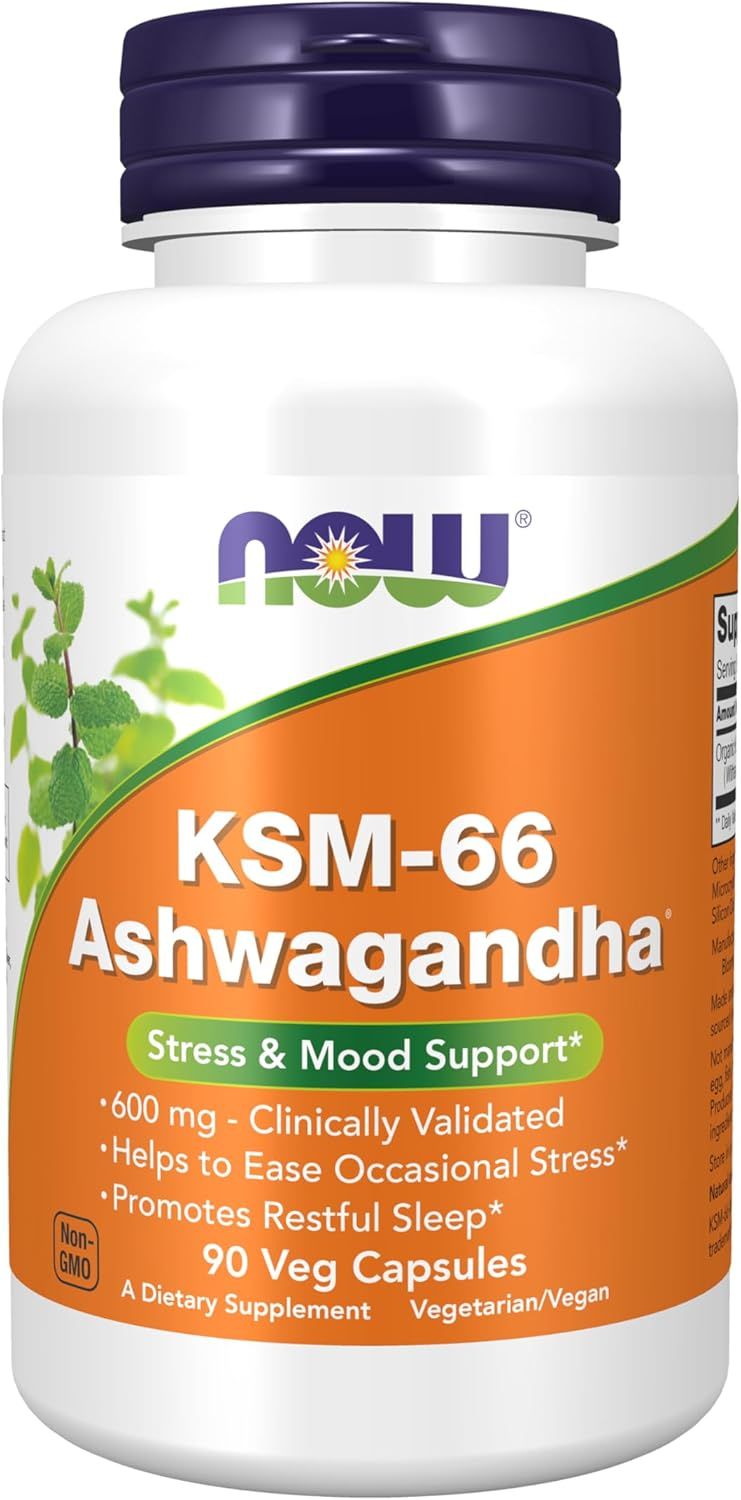 NOW Ashwagandha KSM-66
|
Mechanism minute (for the curious)
Withanolides may modulate the HPA axis and GABAergic signalling, dampening stress responses and improving perceived stress/sleep. Anti-inflammatory and antioxidant effects are also proposed, which could underlie small improvements in recovery and cardiorespiratory performance seen in some trials.
Safety & cautions
Generally well-tolerated short-term, but rare cases of drug-induced liver injury (often cholestatic, sometimes severe) are documented; discontinue and seek care with jaundice, dark urine, severe itching, or marked fatigue.
Potential effects on thyroid hormones and blood glucose mean extra caution if on thyroid or diabetes medication.
Avoid in pregnancy/breastfeeding and in active liver disease; use clinician guidance if autoimmune conditions or on sedatives/immunosuppressants.
The UK FSA is assessing safety and has not set a safe level; several EU agencies (e.g., BfR, RIVM) flag uncertainties and advise high-risk groups to avoid.
Consider limiting continuous use to ≤12 weeks pending more data.

🛍️ Recommendations
Discover the products, services, and retailers we’ve mentioned in past Weekly Health issues, all in one place so you can explore at your own pace.
🇬🇧 UK Readers Osavi Omega-3 Oil – Contains 2,450mg EPA and DHA per teaspoon Merach Exercise Bike – The exact exercise bike we use at Weekly.health Piper’s Farm – Award-winning 100% grass-fed meats for better flavour and nutrition. Get £10 off your first order. Abel & Cole – Fresh, organic fruit and veg boxes to make healthy eating easier. 50% off your first four boxes. Oddbox – Help fight food waste with weekly deliveries of delicious “wonky” veg. £10 off your first box. Crowdfarming – Adopt a fruit tree and enjoy regular deliveries. Get 10€ credit when you join. Citizens Of Soil – Use code WKLYOLIVE10 for 10% off small-batch, high-antioxidant extra virgin olive oils. The Mediterranean Diet Cookbook For Beginners – 100 irresistible recipes, a 14-day meal plan, and practical tips for shopping, cooking, and living the Mediterranean way. The Official MIND Diet Book: – A scientifically based programme to support weight loss and brain health. Longvida Curcumin Supplement – One of the best-supported curcumin formulas in human studies. Use code weeklyhealth for 15% off £30+. Dash Diet Cookbook For Busy People – Nutritious, 5-ingredient recipes that make healthy eating stress-free. Keto Diet Cookbook – Your 30-day plan to lose weight, boost brain health, and balance hormones. Lifespan by Dr. David Sinclair – One of the world's leading researchers on ageing lays out the science behind why we age and what we can do to slow it down. | 🇺🇸 USA Readers Carlson Finest Fish Oil - Contains 1,300mg EPA and DHA per teaspoon. Merach Exercise Bike – The exact exercise bike we use at Weekly.health Blueprint – Get $25 off high-phenolic extra virgin olive oil. The Mediterranean Diet Cookbook For Beginners – 100 irresistible recipes, a 14-day meal plan, and practical tips for shopping, cooking, and living the Mediterranean way. The Official MIND Diet Book – A scientifically based programme to support weight loss and brain health. Longvida Curcumin Supplement – One of the best-supported curcumin formulas in human studies. Dash Diet Cookbook For Busy People – Nutritious, 5-ingredient recipes that make healthy eating stress-free. Keto Diet Cookbook – Your 30-day plan to lose weight, boost brain health, and balance hormones. Lifespan by Dr. David Sinclair – One of the world's leading researchers on ageing lays out the science behind why we age and what we can do to slow it down. |
Weekly.health may be compensated when you buy something. Your purchase helps to support us to continue this newsletter. We only suggest products or brands we trust and where supported by evidence.
📥 Finding this newsletter useful so far?
Your friends could benefit, too!
It would really help us if you could share Weekly.health with your friends either in person or through social media. You could even just forward this email to them.
Every subscriber helps us towards our goal of improving lives and helping people live longer.
📥 Feedback or suggestions?
We really appreciate any feedback you can give. Your feedback can help shape Weekly.health to change lives.
Reply directly to this email - we'd love to hear from you and we’ll be sure to reply!
🙏 Thanks for Reading!
That’s the end of this issue of Weekly.health.
This newsletter is written by a small, independent team, led by James — who’s been following nutrition science for nearly 20 years and is now working towards a formal, industry-recognised qualification.
We’re based in England, so if you’re over the pond, you might notice a few strange spellings.
Our goal is to make cutting-edge, evidence-based nutrition advice simple, useful, and genuinely applicable to everyday life.
We don’t want to bombard you with adverts, but a few of the links in this email may reward us when you click and make a purchase. This goes towards helping us to continue bringing you this newsletter.
We’ll keep improving with every issue. If you’ve got any feedback or suggestions, we’d love to hear them (just reply to this email).
See you next week!
📖 Glossary of Terms in This Issue (Alphabetical Order)
A–Z Glossary of Technical Terms
Term | Definition |
|---|---|
Age-related disease | Conditions whose risk increases with age, such as cardiovascular disease, type 2 diabetes, cancer, and neurodegenerative disorders. |
Alzheimer’s disease | A progressive neurodegenerative condition characterised by memory loss, cognitive decline, and accumulation of amyloid and tau proteins in the brain. |
Anti-inflammatory | Refers to actions or compounds that reduce chronic, low-grade inflammation linked to ageing and many diseases. |
Basal Metabolic Rate (BMR) | The number of calories the body requires per day at complete rest to maintain vital functions such as breathing, circulation, and cell repair. |
Biological age | An estimate of how “old” the body is based on physiological markers, which may differ from chronological age. |
Cardiovascular disease (CVD) | A group of conditions affecting the heart and blood vessels, including heart attacks and strokes. |
Cholesterol | A lipid used for hormone production and cell membranes; high levels of LDL cholesterol are associated with increased heart disease risk. |
Cortisol | A hormone released by the adrenal glands in response to stress; chronically elevated levels are linked to poor sleep, metabolic issues, and inflammation. |
Dietary polyphenols | Plant compounds (abundant in olive oil, fruit, and vegetables) with antioxidant and anti-inflammatory effects. |
Extra virgin olive oil (EVOO) | The least processed form of olive oil, rich in polyphenols and associated with cardiovascular benefits. |
Fasting (intermittent) | Eating patterns that cycle between periods of eating and fasting, such as time-restricted eating or the 5:2 approach. |
GABAergic signalling | Brain signalling involving GABA, the primary inhibitory neurotransmitter, associated with relaxation and reduced anxiety. |
Glycaemic index (GI) | A measure of how quickly carbohydrate-containing foods raise blood glucose levels. |
HPA axis | The hypothalamic–pituitary–adrenal axis; a key stress-regulation system controlling cortisol release. |
Inflammation | The body’s immune response to injury or stress; chronic inflammation contributes to ageing and disease. |
Insulin control | The body’s ability to regulate blood glucose using insulin; poor control increases diabetes and cardiovascular risk. |
Liver injury (drug-induced) | Liver damage caused by medications or supplements; rare but documented with some herbal products. |
Longevity | The length of time an individual lives, often discussed alongside healthspan (years lived in good health). |
Mediterranean diet | A dietary pattern rich in vegetables, wholegrains, olive oil, legumes, and fish, with limited red and processed meat. |
Meta-analysis | A statistical method that combines results from multiple studies to estimate overall effects. |
Neurodegeneration | Progressive loss of structure or function of neurons, seen in conditions like Alzheimer’s and Parkinson’s disease. |
Oxidative stress | Damage caused by free radicals exceeding the body’s antioxidant defences, contributing to ageing and disease. |
Perceived stress | Subjective assessment of stress levels, often measured using validated questionnaires. |
Polyphenols | Bioactive plant compounds with antioxidant properties, particularly abundant in high-quality olive oil. |
Randomised controlled trial (RCT) | A study design where participants are randomly assigned to intervention or placebo groups to test effectiveness. |
Sedatives | Substances that depress the central nervous system, promoting calm or sleep; may interact with some supplements. |
Sleep latency | The amount of time it takes to fall asleep after going to bed. |
Stress hormone | A hormone released in response to stress, primarily cortisol in humans. |
Systematic review | A comprehensive summary of all relevant studies on a specific research question using predefined methods. |
Thyroid hormones | Hormones regulating metabolism and energy use; levels can be influenced by certain supplements. |
Time-restricted eating | A form of intermittent fasting that limits food intake to a daily time window (e.g. 8–12 hours). |
VO₂max | Maximum oxygen uptake during intense exercise; a key marker of cardiorespiratory fitness and longevity. |
Withanolides | Bioactive compounds in ashwagandha believed to contribute to its stress-reducing and anti-inflammatory effects. |
Reply