- Weekly.health
- Posts
- Issue 24: Supplement Deep Dive on Creatine
Issue 24: Supplement Deep Dive on Creatine
The latest nutrition research and actionable tips to improve your health and a supplement deep dive on Creatine.

James K
December 05, 2025
In partnership with

Welcome to Weekly.health’s 24th issue. Every week, we explore cutting-edge research, actionable advice, and science-backed nutrition insights to help you live longer and healthier.
Our aim is to help you live another 10 healthy years and cut your risk of age-related disease.
🗒️ In This Issue:
📚 Books We’re Reading Right Now
📈 Research Digest: What’s new in nutrition science
💊 Supplement Deep Dive: Creatine Monohydrate
🛍️ Recommendations
❤️ Support Weekly.health: Help us keep the research flowing
📘 Glossary of Terms: Definitions for technical terms in this issue
📚 Books We’re Reading Right Now
 | If you read just one book to future-proof your health, make it How Not to Age by Dr Michael Greger. Dr Greger - the physician behind How Not to Die and NutritionFacts.org - is known for one thing: turning hard science into practical, life-extending habits. Every claim he makes is rooted in peer-reviewed research, not hype. In How Not to Age, he reveals what truly slows biological ageing, from protecting your brain and heart to preserving muscle and energy. It’s a science-backed guide to living not just longer, but better. Weekly.health may be compensated when you buy. Your purchase helps to support us to continue this newsletter. |
📈 Research Digest: What’s New in Nutrition Science
Here’s the best of recent nutrition research:
🧠 cMIND-style Chinese diet linked to less dementia
In an observational study of over 9,000 Chinese adults aged 65+, each 1-point higher score on the Chinese MIND diet (more whole grains, veg, fruit, soy, nuts, mushrooms/algae, garlic, tea; less sugar and salty cooking) was linked to 11% lower dementia prevalence. Medium and high adherence meant 18–24% lower odds. Try nudging one meal a day toward this pattern. (source)
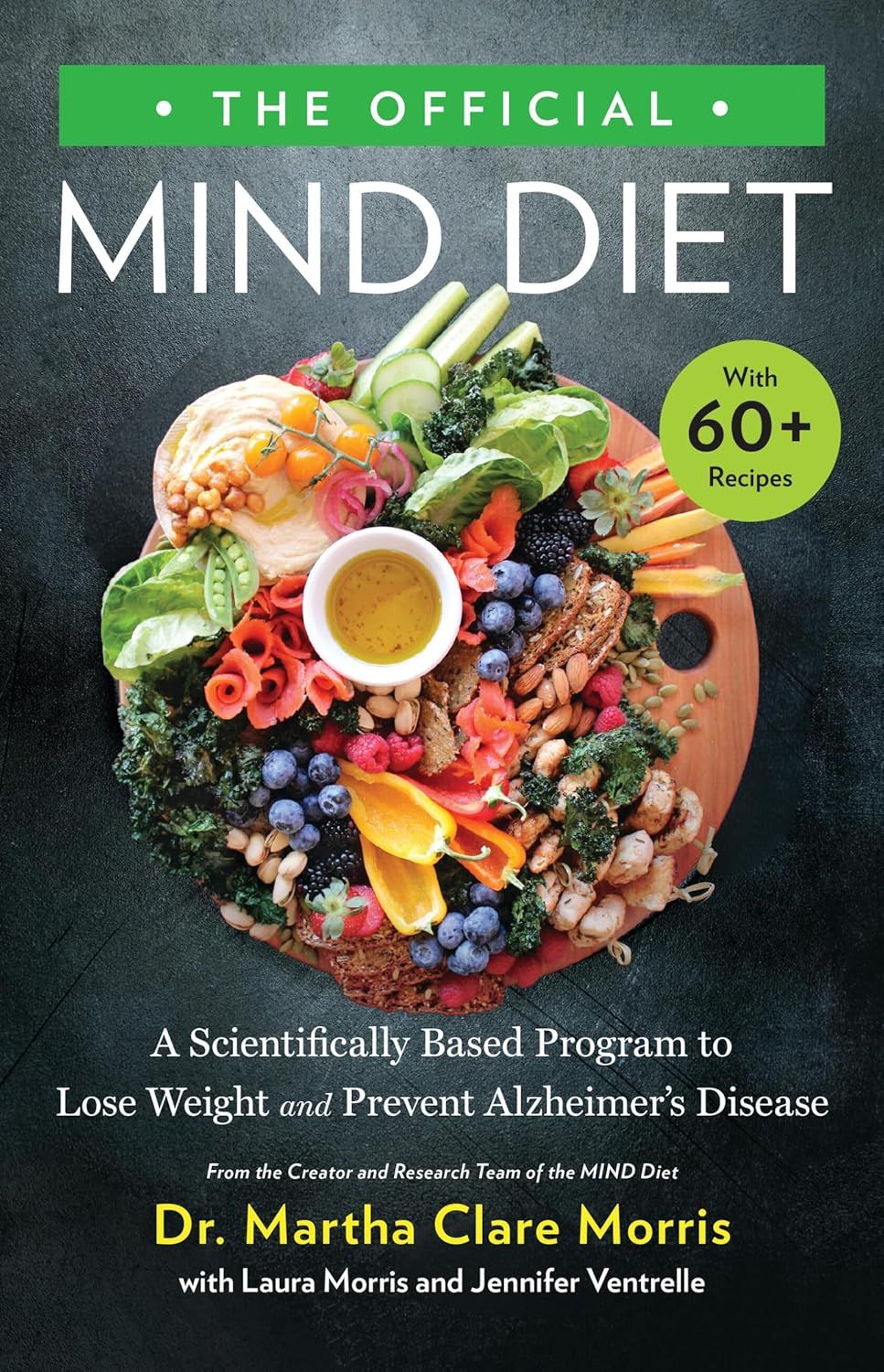 | Dr. Martha Clare Morris's MIND diet took the nutrition world by storm when it revealed the link between diet and cognitive health, particularly as we age. Lauded by scientists, doctors, and organizations like the Alzheimer's Association, AARP, and US News & World Report, the MIND diet, which combines elements of the Mediterranean and DASH diets, offers hope for an easy, non-invasive, and effective way to lose weight, prevent cognitive decline, reduce the risk of developing Alzheimer's disease, and promote vibrant brain health well into advanced age. Weekly.health may be compensated when you buy. Your purchase helps to support us to continue this newsletter. |
🍱 Hidden obesity common among Chinese students
A survey of 993 Chinese university students found that 17% had hidden obesity - normal weight but high body fat - and 31% had low protein mass, both far more common in women. Fewer than half ate vegetables daily, and only 18% ate fruit daily. The study suggests boosting protein-rich foods and regular activity to improve body composition. A reminder: “normal BMI” doesn’t always mean healthy. (source)
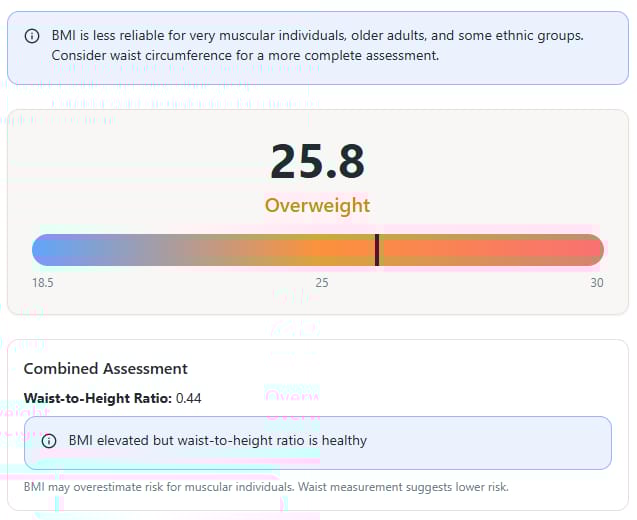
Try our BMI calculator here. We calculate your BMI using your height and weight, but also use your waist circumference to determine if you have increased health risks that other BMI calculators might miss. Despite a mostly-Mediterranean diet, this writer’s BMI is elevated due to resistance exercise (higher weight due to more muscle, not fat). Our combined assessment shows that despite the strict ‘Overweight’ score, my waist-to-height is healthy, suggesting lower risk.
⏱️ Time restricted eating (TRE) + exercise works best for fat loss in midlife women
In a 12-week trial of 104 women aged 40–60 with overweight/obesity, combining an 8-hour flexible eating window with aerobic exercise (3×/week brisk walking/jogging/running) led to the greatest fat loss: −2.85 kg vs control and 10% average reduction. TRE or exercise alone helped, but far less. Waistlines also shrank most (−7.5 cm). If you’re perimenopausal, pairing meal-timing with regular cardio may be especially effective. (source)
😴 Mediterranean diet may help you sleep better
A review of 191 studies (2015–2025) finds that people who stick more closely to the Mediterranean diet tend to sleep longer, fall asleep faster, and have lower risks of insomnia and sleep apnoea - especially if they’re overweight. Its mix of polyphenols, omega-3s and fibre supports the serotonin–melatonin pathway, reduces inflammation, and improves gut and metabolic health. A simple win: add more plants, olive oil, and fish to boost both diet and sleep. (source)
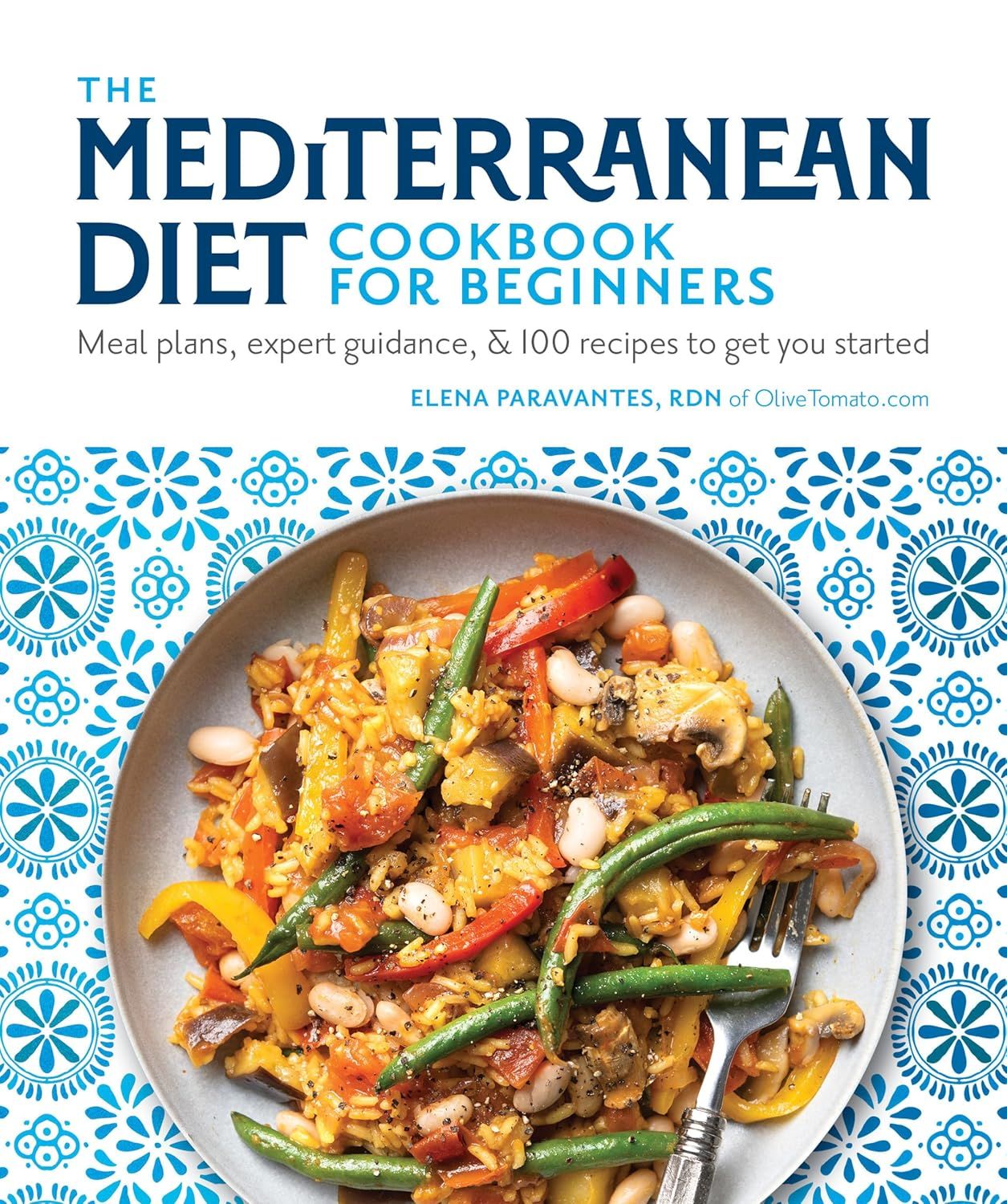 | Discover the secrets of the authentic Mediterranean Diet from award-winning expert and Registered Dietitian, Elena Paravantes MS, RD. Raised on this diet herself, Elena shares 100 of her favorite recipes, alongside a lifetime of expert advice, menu plans, cooking and shopping tips, and a comprehensive lifestyle guide. 100 irresistible recipes, a 14-day meal plan, and practical tips for shopping, cooking, and living the Mediterranean way. Weekly.health may be compensated when you buy. Your purchase helps to support us to continue this newsletter. |
🟢 Sponsor: Climatize
Invest in Renewable Energy Projects Across America

Across America, communities are being powered thanks to investors on Climatize who have committed to a brighter future.
Climatize lists vetted renewable energy investment offerings in different states.
As of November 2025, over $13.2 million has been invested across 28 projects on the platform, and over $3.6 million has already been returned to our growing community of thousands of members. Returns aren’t guaranteed, and past performance does not predict future results.
On Climatize, you can explore vetted clean energy offerings, including past projects like solar farms in Tennessee, grid-scale battery storage units in New York, and EV chargers in California. Each offering is reviewed for transparency and provides a clear view of how clean energy takes shape.
Investors can access clean energy projects from $10 through Climatize. Through Climatize, you can see and hear about the end impact of your money in our POWERED by Climatize stories.
Climatize is an SEC-registered & FINRA member funding portal. Crowdfunding carries risk, including loss.
💊 Supplement Deep Dive: Creatine Monohydrate
Should you be taking taking creatine supplements?
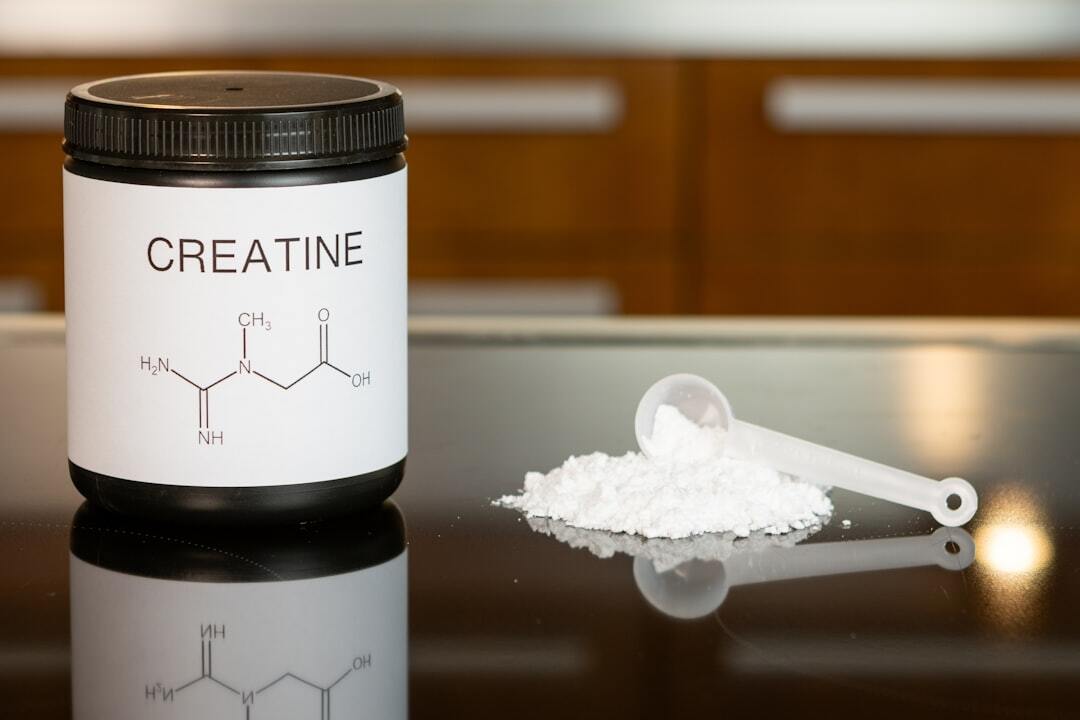
1-minute verdict
Buy — If you lift, sprint, play stop–start sports, or you’re 40+ trying to keep muscle, creatine monohydrate is one of the most proven, safe, and cost-effective supplements. Expect small-to-moderate gains in strength and lean mass when paired with resistance training. There’s promising but still mixed research on cognition, but recent evidence supports small improvements in memory and function after sleep deprivation.
Outcomes that matter;
↑ Strength (bench +4.4 kg; leg press +11.3 kg pooled) in adults <50 with training.
↑ Lean mass by ~1.3–1.4 kg in older adults with training.
↑ High-intensity, repeated-sprint performance.
Small benefits in memory and processing-speed time; overall cognition mixed.
Time to benefit: With loading, ~5–7 days; without loading, ~3–4 weeks of daily 3–5 g.
Who should avoid / adjust: Known kidney disease; pregnancy/breastfeeding (limited data); anyone with raised serum creatinine on labs (ask for cystatin C-based eGFR).
Upper limit: No official upper limit. Long-term intakes of ~3–5 g/day are well-tolerated in healthy adults.
Does it actually do anything?
Across many RCTs, creatine monohydrate plus resistance training improves upper- and lower-body strength (pooled differences ≈ +4.4 kg bench, +11.3 kg leg press) and adds ~1–1.5 kg lean mass in older adults—meaningful, low-effort gains when training is consistent.
Regulators also allow the claim that 3 g/day increases physical performance in successive bursts of short-term, high-intensity exercise (think sprints, sets of lifts). For adults 55+, creatine with resistance training is authorised to improve muscle strength.
For cognition, a 2024 meta-analysis shows significant improvements in memory and processing-speed time, but no clear effect on global cognition; evidence quality ranges from low to moderate, so this is promising rather than proven. (source)
A small study showed that typically 25g creatine supplementation improved cognition in sleep deprived adults. (source)
Dose & form
Effective dose range:
Loading (optional): 20 g/day (4×5 g) for 5–7 days, then 3–5 g/day.
No-load approach: 3–5 g/day; muscle stores saturate in ~3–4 weeks.
Form: Creatine monohydrate is gold-standard. Buffered, ethyl-ester, and other “designer” forms are not superior, only more expensive; ethyl-ester can be worse. “Micronised” just mixes better.
Absorption / timing: Take daily at any time; consistency beats timing. Taking with carbs + protein can slightly increase retention; many people take the daily dose with a meal or post-workout shake.
Testing: Creatine can raise serum creatinine (confounds eGFR). If you need a kidney check while supplementing, ask for cystatin C-based eGFR or direct measures.
Our pick - what to buy
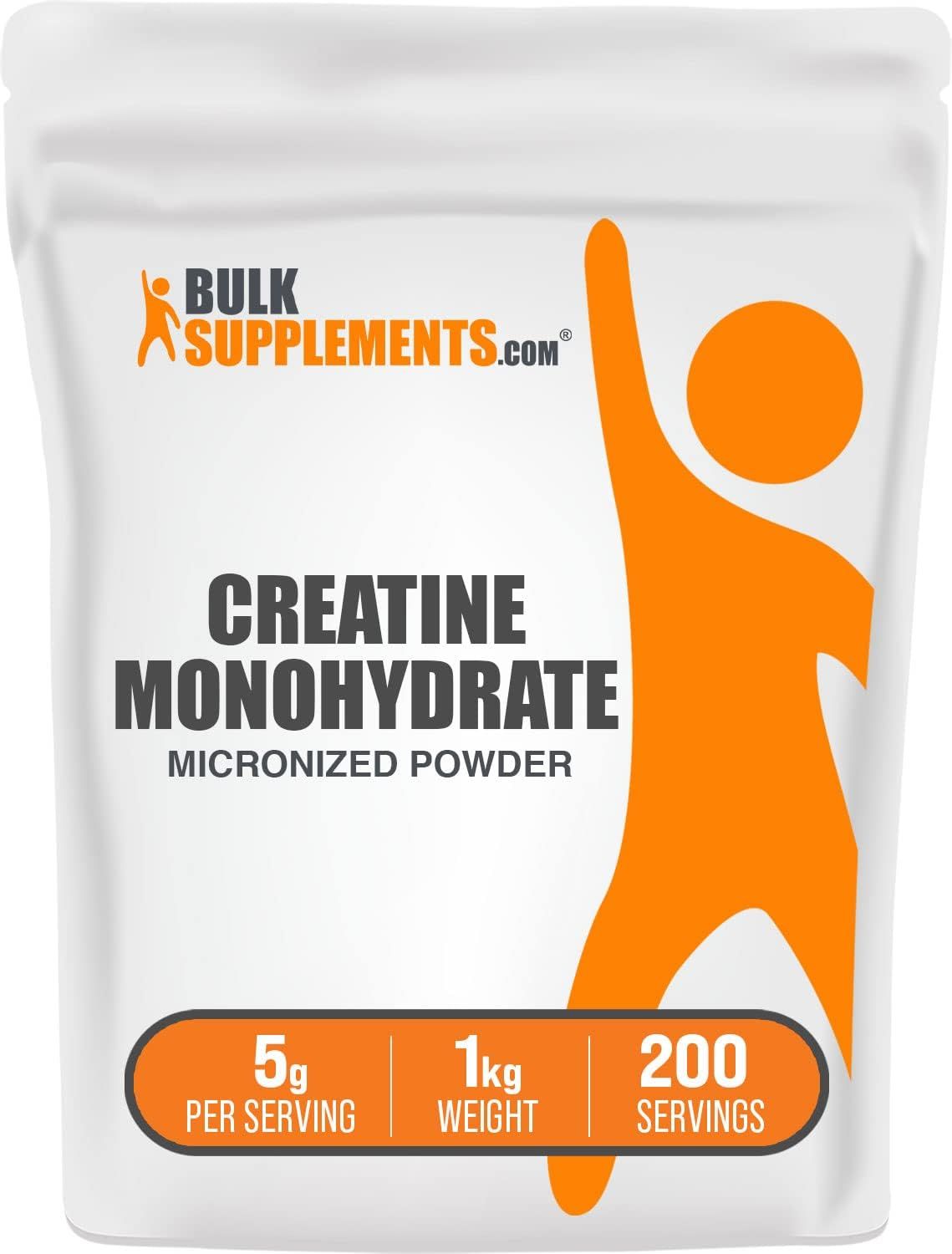 | BulkSupplements Creatine Monohydrate
|
Stack sensibly (optional)
Creatine + protein (20–40 g) + carbs (30–50 g) post-training - supports muscle protein synthesis and can enhance creatine retention.
Creatine + consistent resistance training (2–4×/week) - all meaningful gains occur when you actually train. (Regulatory claim in 55+ is explicitly tied to resistance training.)
Mechanism minute (for the curious)
Creatine increases intramuscular phosphocreatine, buffering ATP during intense efforts so you can squeeze out extra reps and higher training volume. Over weeks, that extra work drives strength and hypertrophy
Insulin-linked transport helps creatine enter muscle; co-ingesting with carbs/protein can raise retention a bit, but not essential.
Safety & cautions
Creatine has a strong safety record in healthy adults at 3–5 g/day long-term. It does not increase cramps, dehydration, or heat illness; several reviews suggest neutral to protective effects. Common transient effects: mild GI upset (especially during loading) and 0.5–1.5 kg early weight gain from water. Stay hydrated.
Kidneys: No evidence of harm in healthy people at recommended doses, but avoid if you have known kidney disease unless advised by your clinician. Creatine can raise serum creatinine without reflecting true kidney damage - use cystatin C-based eGFR if checking renal function while supplementing.
Caffeine: Evidence on interaction is mixed. High caffeine doses may blunt some neuromuscular effects in older studies; newer work suggests no clear impairment. If you use lots of caffeine (>3 mg/kg), consider separating doses.
Hair loss? A small 2009 study showed increased DHT (not hair loss); a 2025 RCT found no changes in DHT or hair measures. Current evidence does not support creatine causing hair loss.

🛍️ Recommendations
Discover the products, services, and retailers we’ve mentioned in past Weekly Health issues, all in one place so you can explore at your own pace.
🇬🇧 UK Readers Osavi Omega-3 Oil – Contains 2,450mg EPA and DHA per teaspoon Merach Exercise Bike – The exact exercise bike we use at Weekly.health Piper’s Farm – Award-winning 100% grass-fed meats for better flavour and nutrition. Get £10 off your first order. Abel & Cole – Fresh, organic fruit and veg boxes to make healthy eating easier. 50% off your first four boxes. Oddbox – Help fight food waste with weekly deliveries of delicious “wonky” veg. £10 off your first box. Crowdfarming – Adopt a fruit tree and enjoy regular deliveries. Get 10€ credit when you join. Citizens Of Soil – Use code WKLYOLIVE10 for 10% off small-batch, high-antioxidant extra virgin olive oils. The Mediterranean Diet Cookbook For Beginners – 100 irresistible recipes, a 14-day meal plan, and practical tips for shopping, cooking, and living the Mediterranean way. The Official MIND Diet Book: – A scientifically based programme to support weight loss and brain health. Longvida Curcumin Supplement – One of the best-supported curcumin formulas in human studies. Use code weeklyhealth for 15% off £30+. Dash Diet Cookbook For Busy People – Nutritious, 5-ingredient recipes that make healthy eating stress-free. Keto Diet Cookbook – Your 30-day plan to lose weight, boost brain health, and balance hormones. Lifespan by Dr. David Sinclair – One of the world's leading researchers on ageing lays out the science behind why we age and what we can do to slow it down. | 🇺🇸 USA Readers Carlson Finest Fish Oil - Contains 1,300mg EPA and DHA per teaspoon. Merach Exercise Bike – The exact exercise bike we use at Weekly.health Blueprint – Get $25 off high-phenolic extra virgin olive oil. The Mediterranean Diet Cookbook For Beginners – 100 irresistible recipes, a 14-day meal plan, and practical tips for shopping, cooking, and living the Mediterranean way. The Official MIND Diet Book – A scientifically based programme to support weight loss and brain health. Longvida Curcumin Supplement – One of the best-supported curcumin formulas in human studies. Dash Diet Cookbook For Busy People – Nutritious, 5-ingredient recipes that make healthy eating stress-free. Keto Diet Cookbook – Your 30-day plan to lose weight, boost brain health, and balance hormones. Lifespan by Dr. David Sinclair – One of the world's leading researchers on ageing lays out the science behind why we age and what we can do to slow it down. |
Weekly.health may be compensated when you buy something. Your purchase helps to support us to continue this newsletter. We only suggest products or brands we trust and where supported by evidence.
📥 Finding this newsletter useful so far?
Your friends could benefit, too!
It would really help us if you could share Weekly.health with your friends either in person or through social media. You could even just forward this email to them.
Every subscriber helps us towards our goal of improving lives and helping people live longer.
📥 Feedback or suggestions?
We really appreciate any feedback you can give. Your feedback can help shape Weekly.health to change lives.
Reply directly to this email - we'd love to hear from you and we’ll be sure to reply!
🙏 Thanks for Reading!
That’s the end of this issue of Weekly.health.
This newsletter is written by a small, independent team, led by James — who’s been following nutrition science for nearly 20 years and is now working towards a formal, industry-recognised qualification.
We’re based in England, so if you’re over the pond, you might notice a few strange spellings.
Our goal is to make cutting-edge, evidence-based nutrition advice simple, useful, and genuinely applicable to everyday life.
We don’t want to bombard you with adverts, but a few of the links in this email may reward us when you click and make a purchase. This goes towards helping us to continue bringing you this newsletter.
We’ll keep improving with every issue. If you’ve got any feedback or suggestions, we’d love to hear them (just reply to this email).
See you next week!
📖 Glossary of Terms in This Issue (Alphabetical Order)
A–Z Glossary of Technical Terms
Term | Definition |
|---|---|
Age-related disease | Illnesses that become more common with age, such as heart disease, dementia, and type 2 diabetes. |
ATP (Adenosine Triphosphate) | The main energy currency used by cells for movement, repair, and metabolism. |
Biological ageing | The internal, measurable decline in body function over time, separate from chronological age. |
Body composition | The balance of fat, muscle, and other tissues in the body—more informative than weight alone. |
Brisk walking | Walking fast enough to raise the heart rate and warm the body, typically 5–6.5 km/h (3–4 mph). |
Cardiovascular health | The wellbeing of the heart and blood vessels, influencing stroke and heart disease risk. |
Cognition | Mental processes including attention, memory, reasoning, and problem solving. |
Cystatin C-based eGFR | A kidney function test unaffected by creatine supplements, offering a clearer reading. |
Dementia | A decline in memory, thinking, and behaviour severe enough to affect daily life. |
DHT (Dihydrotestosterone) | A hormone linked to some forms of hair loss in genetically predisposed people. |
Dietary polyphenols | Plant compounds with antioxidant and anti-inflammatory effects, found in tea, berries, and olive oil. |
EPA and DHA | Two omega-3 fats found in fish oil, supporting heart, brain, and anti-inflammatory functions. |
Fat mass | The proportion of the body made up of fat tissue, including stored and essential fat. |
Gut health | The condition of the digestive system, including microbial balance, digestion, and immunity. |
Hidden obesity | Having a normal BMI but high body fat or low muscle mass, raising disease risk. |
High-intensity exercise | Activity performed near maximum effort, such as sprinting or heavy lifting. |
Hypertrophy | Muscle growth from training, often enhanced by resistance exercise and creatine. |
Intervention trial | A scientific study testing whether a specific treatment causes measurable changes. |
Lean mass | The total weight of muscle, bone, organs, and fluids—higher levels improve strength and metabolism. |
Mediterranean diet | A diet rich in vegetables, fruit, olive oil, legumes, fish, and whole grains linked to longer life and better sleep. |
Metabolic health | The body’s ability to regulate energy usage, blood sugar, cholesterol, and inflammation. |
Micronised creatine | Finely powdered creatine monohydrate that dissolves better in liquids. |
MIND Diet | A hybrid Mediterranean–DASH diet designed to protect memory and brain function. |
Muscle protein synthesis | The process of building new muscle tissue, stimulated by protein, exercise, and creatine. |
Observational study | Research that tracks behaviour and outcomes without assigning treatments—can show associations, not cause. |
Omega-3 fatty acids | Essential fats known for anti-inflammatory and heart-protective effects. |
Perimenopausal | The period leading up to menopause when hormones fluctuate and fat gain becomes more common. |
Phosphocreatine | A stored energy source in muscles that helps fuel short bursts of intense activity. |
Processing speed | How quickly the brain takes in information and responds—a key cognitive skill. |
RCT (Randomised Controlled Trial) | Research comparing groups receiving an intervention versus a control group to test cause-and-effect. |
Resistance training | Exercise using weights or body weight to build strength, muscle mass, and bone density. |
Serum creatinine | A blood marker used to estimate kidney function—can be falsely raised by creatine supplementation. |
Sleep latency | The time it takes to fall asleep after going to bed. |
Sleep apnoea | A disorder causing breathing pauses during sleep, linked with snoring and daytime tiredness. |
Time-restricted eating (TRE) | Eating all daily food within a set time window, usually 6–10 hours. |
Waist circumference | A measurement of abdominal fat used to assess metabolic and cardiovascular risk. |
Want to start your own newsletter like this? Join Beehiiv.
Reply